"Everybody has a plan until they get punched in the mouth." Mike Tyson said it about boxing. On August 29, I found out it applies to bike rides too.
Building the miles
My conditioning has been improving in small steps. With the good weather, I've been leaning hard on the bike. I've gone from struggling to finish 7 miles to riding 20 without thinking about it. My first 30-mile ride was a struggle, but my last outing went to 35.
The next step was 40.
The plan
It had been a rough week: an unpredictable work schedule and poor sleep. So I did what I could control. The night before, I mapped my route, laid out a plan for food, water, and effort, and went to bed early. I wanted to finish in 2 hours and 40 minutes.
When I woke up, my Oura Ring said it was a Three Crown Day, its way of telling me my sleep, readiness, and activity scores were all high. I don't let the ring make my decisions, but that morning it agreed with me. I was ready.
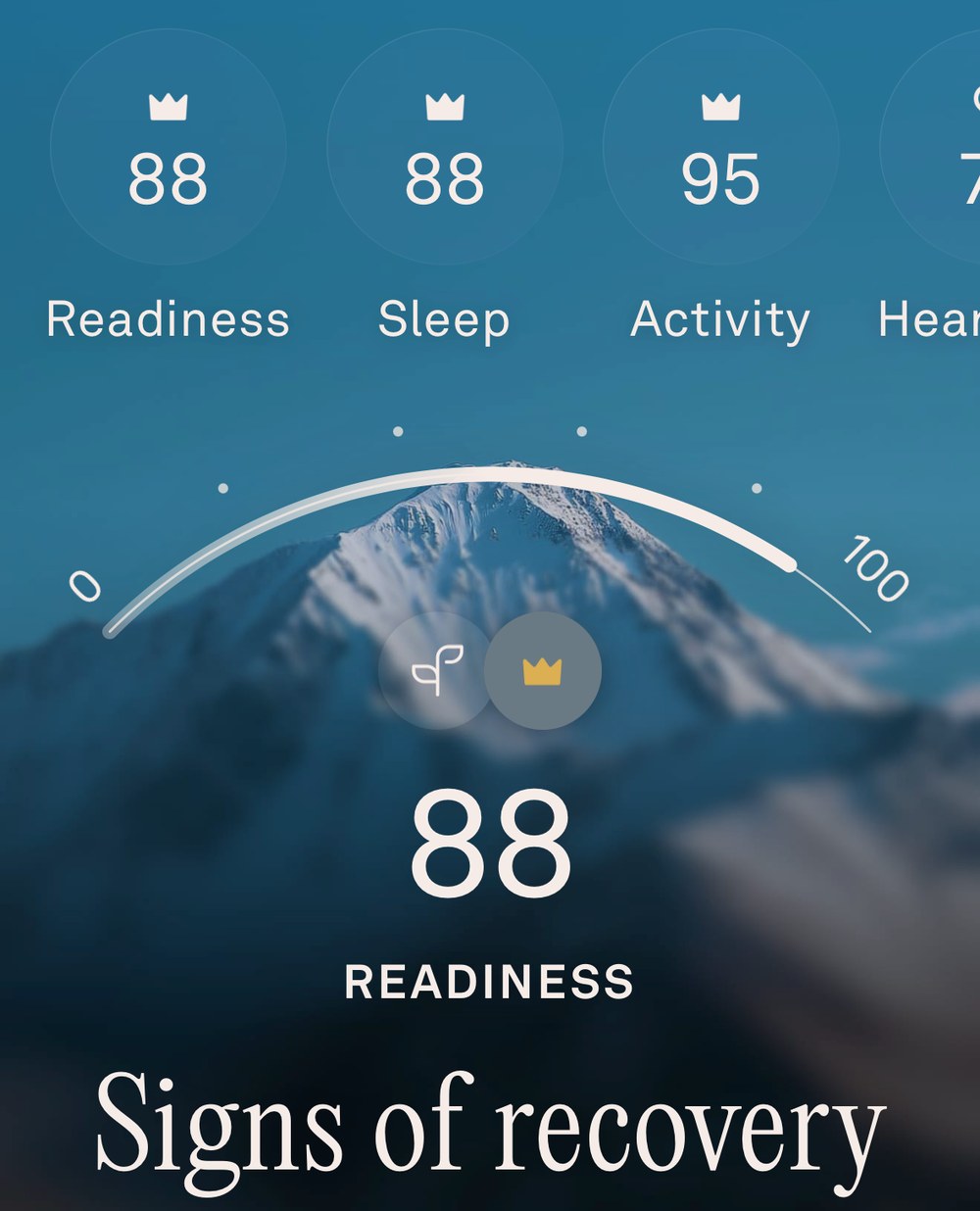
The morning of the ride: three crowns, despite a rough week.
First contact
There's an old military saying, attributed to Helmuth von Moltke the Elder, the Prussian field marshal: "No plan of operations extends with any certainty beyond the first contact with the main hostile force." It's usually shortened to "No battle plan survives first contact with the enemy."
My enemy was the wind.
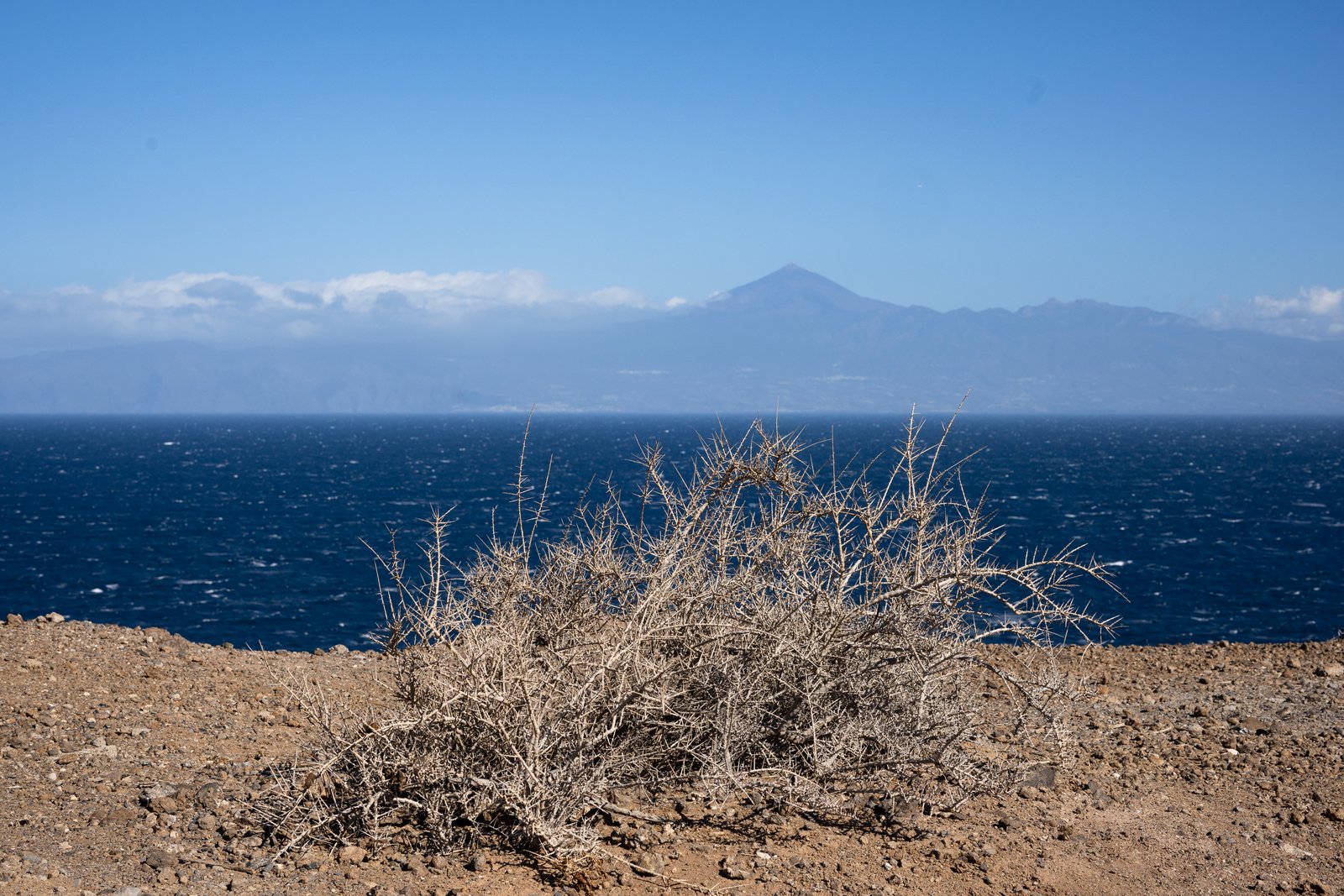
The first leg of the route was new to me. Instead of my usual neighborhood loops, with turns and cul-de-sacs to break things up, it had long, straight stretches past fields and open ground. With no turns, I pedaled harder for longer. With no trees or houses, the wind had a clear shot at me. I still don't understand how a loop that was essentially an out-and-back kept the wind in my face the whole way.
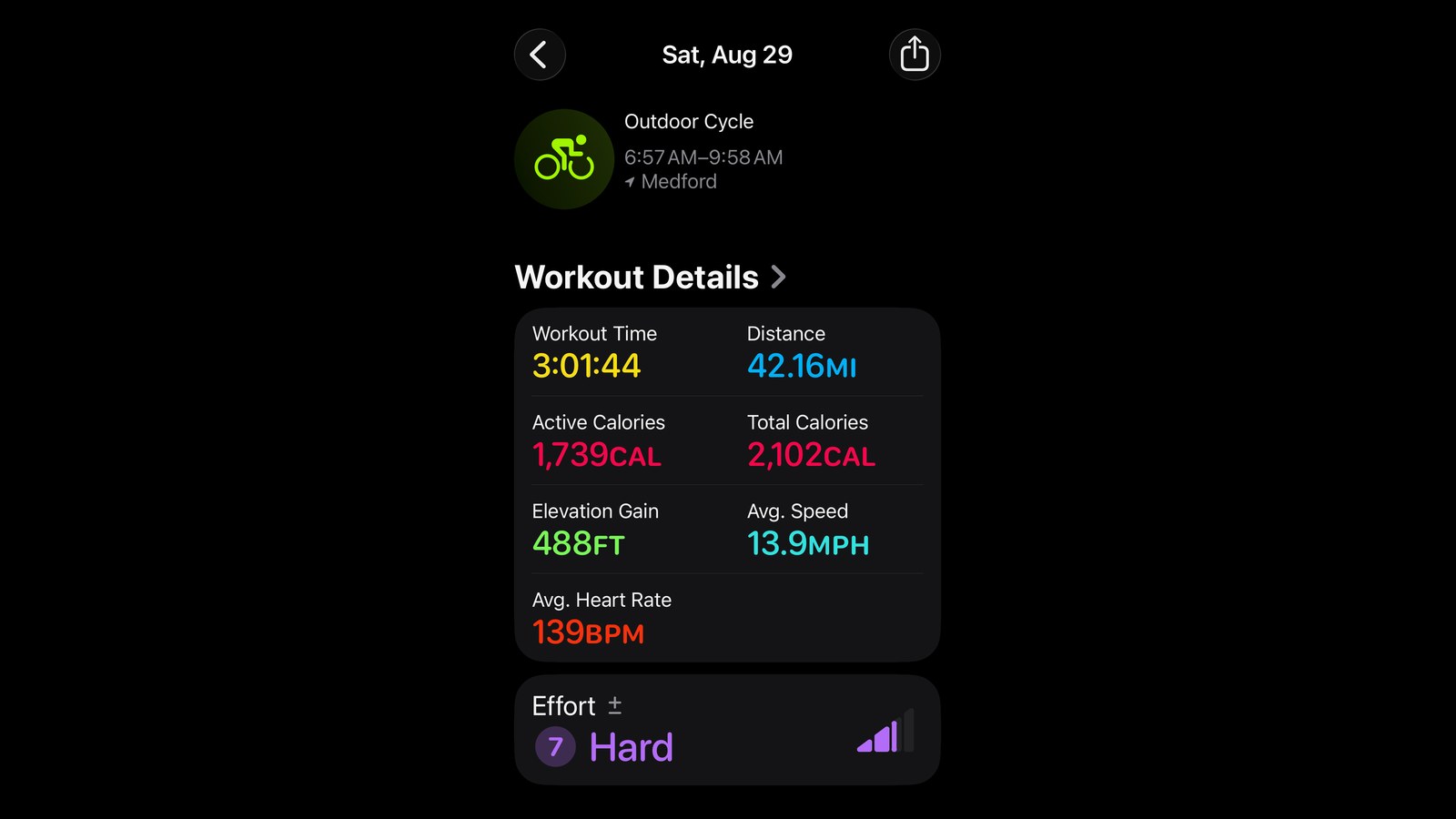
My heart rate told the story before my legs did. On the way out, it sat in the low 140s. At that point in a ride, I'm usually in the high 130s. I had gone out too fast, and the wind made me pay for it.
By the time I got back to the neighborhood and my usual route, my heart rate had crept into the 150s and I was spent. I was only halfway, and I was seriously doubting I could do the full 40.
No joy?
In military radio talk, "no joy" means you didn't find what you were looking for. I came close to calling it and heading home.
Two things kept me out there.
The first was accountability. I had advertised this ride to several people before I left. I knew they'd ask how it went, and I didn't want my answer to be that I quit at 20.
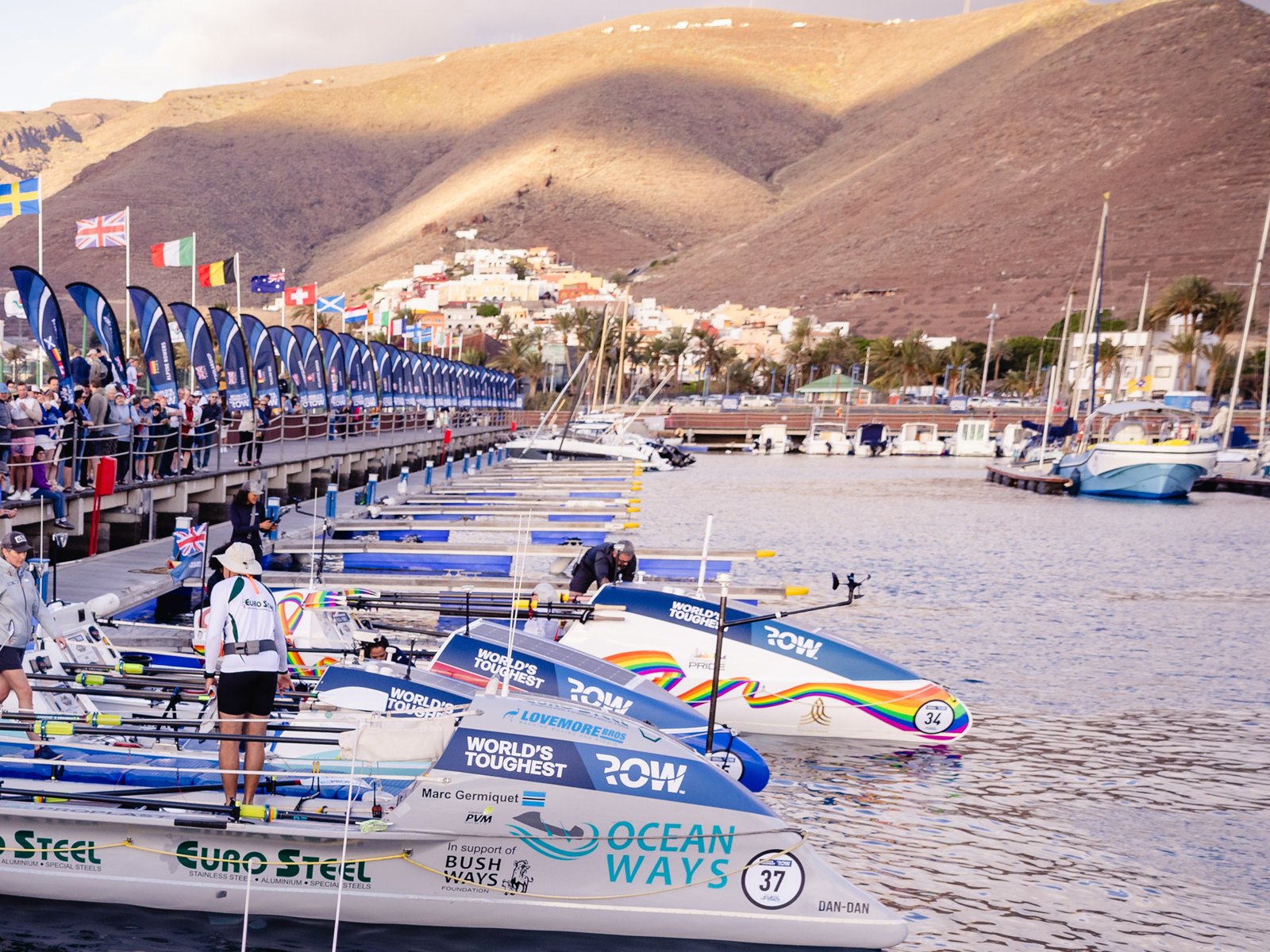
The second was the calendar. Physically, I wasn't up for another 20 miles at that effort. But was I up for it mentally? I reminded myself that the World's Toughest Row starts in 836 days. Halfway across the Atlantic, there's no shortcut home. Quitting won't be an option there, so I didn't want to practice it here.
Adapt
A hard 40 miles wasn't happening that day. So I changed the plan instead of abandoning it.
I eased off the throttle and let go of the 2:40 target. The new goal was simple: finish 40 miles, however long it took.
I finished 42 miles in just over three hours. It was my longest ride ever.
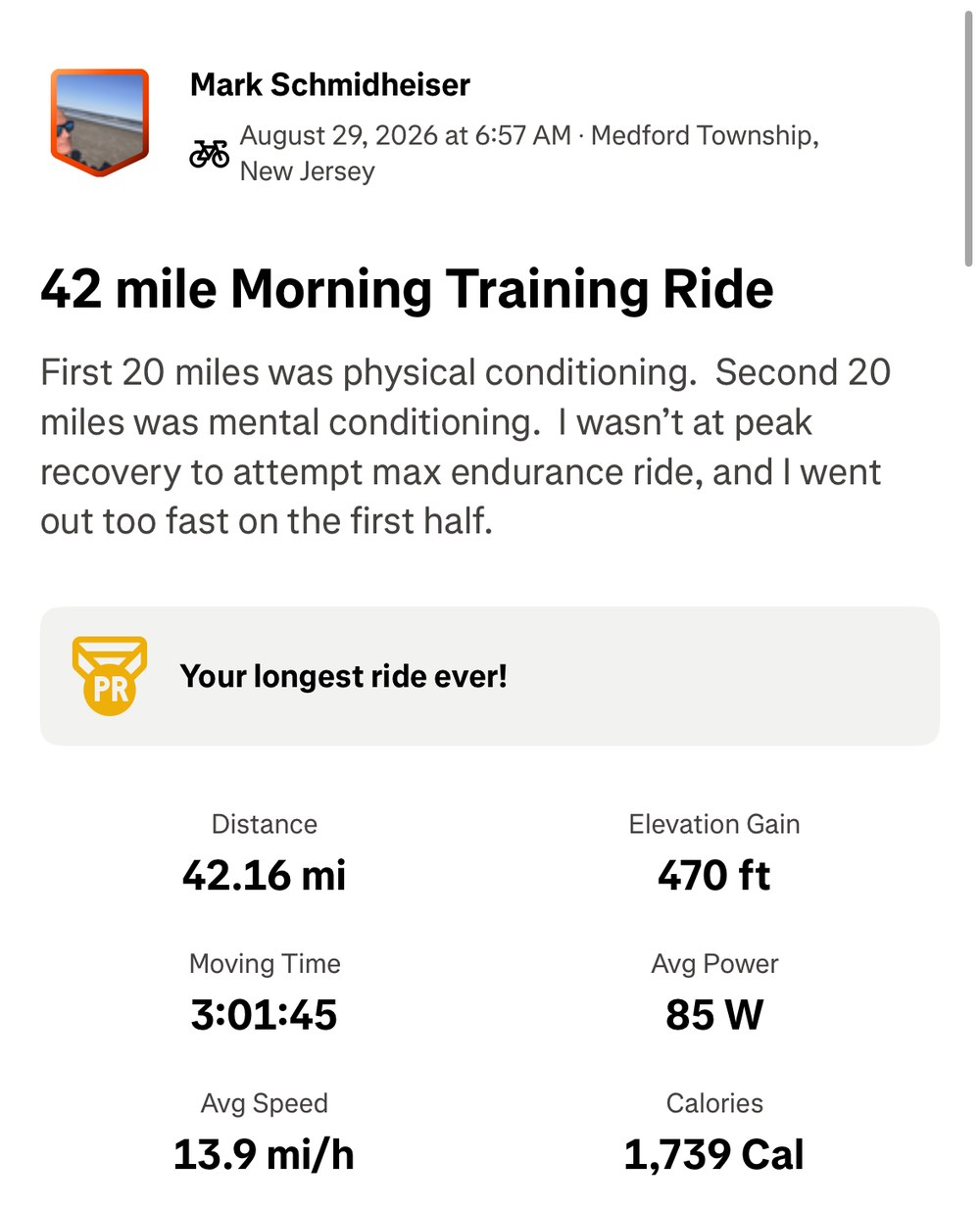
The note I wrote on Strava afterward says it all. (The power figure is Strava's estimate; this bike has no power meter.)
The bike problem
Long rides showed me something else. The more miles I put in, the more my old mountain bike works against me. It's a size or two too small, and by the back half of a ride like this my neck, wrists, and back are all complaining. At these distances, I need a proper bike.
(Spoiler: a month later, I bought one.)
What I took from it
- A plan is a starting point, not a promise. When the conditions changed, I changed the target and kept the mission.
- Separate the goal from the pace. The goal was 40 miles. The time was negotiable.
- Start slower than you think you should. My heart rate was telling me I'd gone out too fast long before I admitted it.
- Tell people your plan. Being accountable to others got me through the hardest 20 miles.
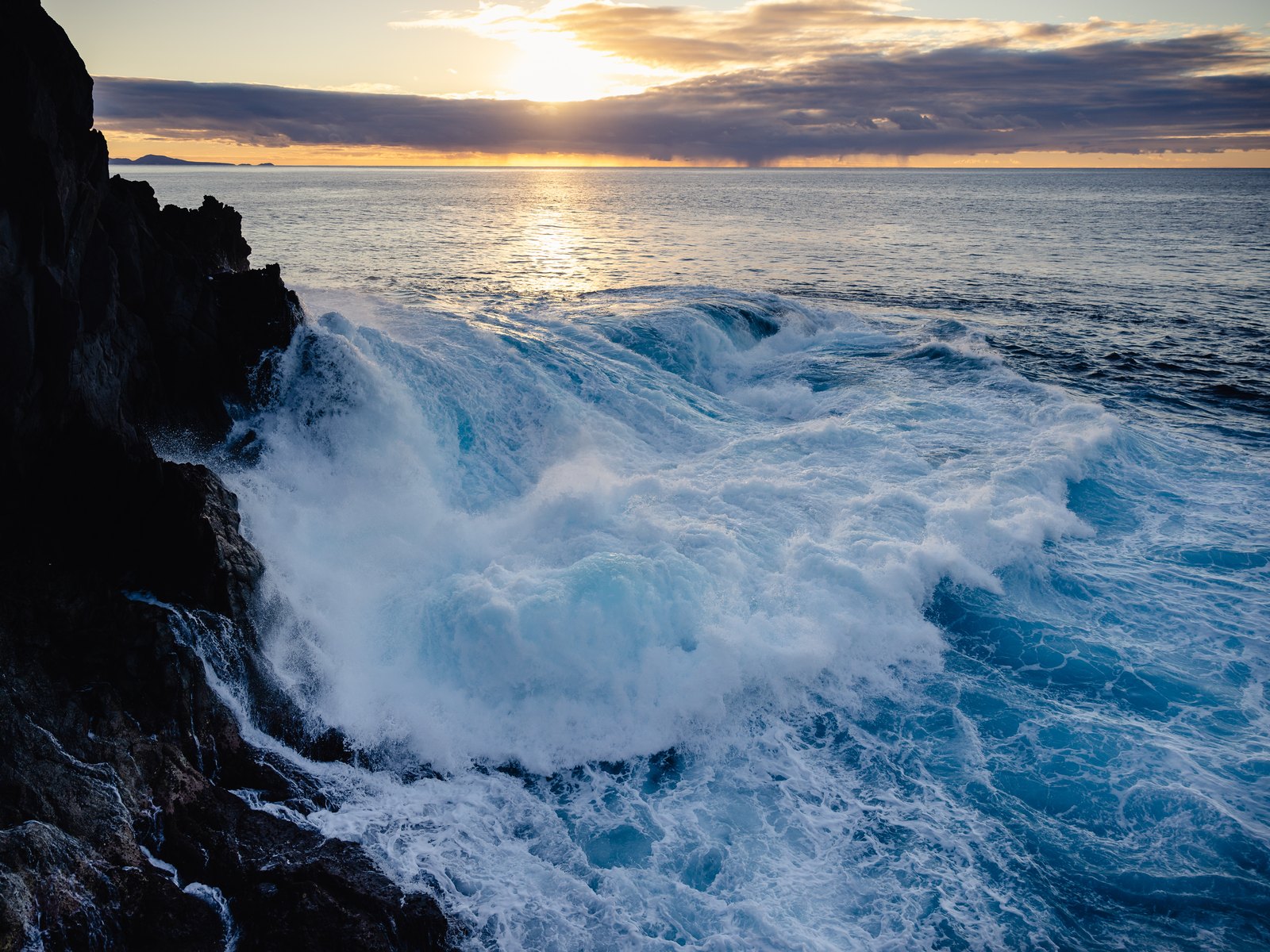
- Respect the conditions. Open roads and wind make a different ride than sheltered loops. On the Atlantic, the wind and waves will write a lot of my plans for me.
That ride made me stronger, physically and mentally. Adapt, and overcome the challenge in front of you.
What's the ride, run, or row where your plan fell apart and you finished anyway? Tell me on Instagram or send me a note.