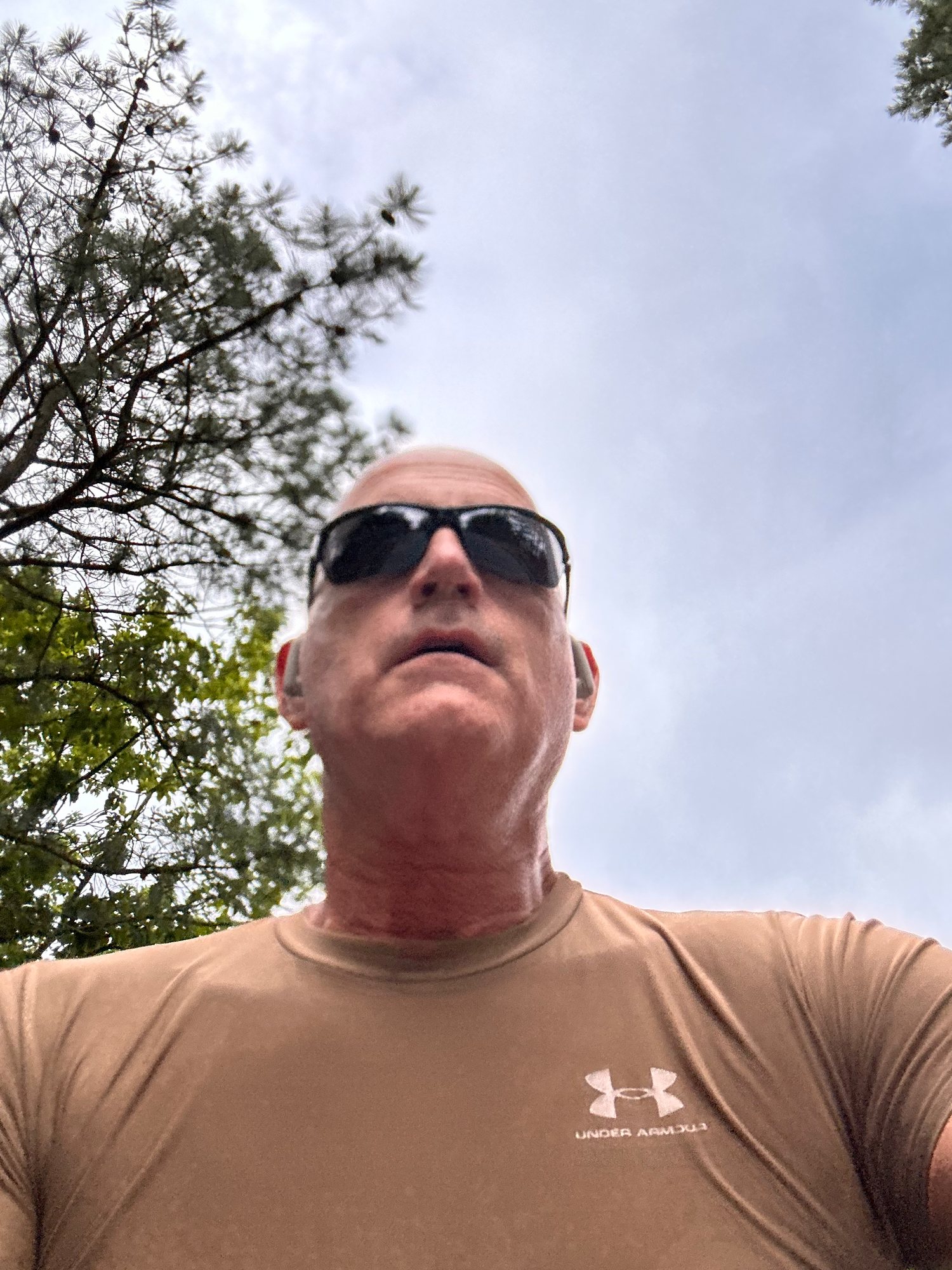
My brother thinks it's funny that I need a ring to tell me how I slept. He has a point. After a night without sleep, I don't need a gadget to tell me I'm tired. But that isn't what I use it for.
Where it started
My first piece of wearable tech was a chest strap. It paired with a Polar heart rate monitor I wore on my wrist, and I used it to train for marathons 10 to 15 years ago, before my knees went bad (or maybe part of the reason they did). I also strapped a "foot pod" to my shoelaces. It used motion sensors to estimate how far I'd run, back before I had GPS on my wrist.
Today I wear an Apple Watch, and my newest addition is an Oura Ring. The technology has come a long way. The reasons I wear it haven't changed much.
I get two things from wearables: feedback and accountability.
Feedback: trends, not orders
Every morning I check how I slept and what my recovery index looks like. I may enjoy that a little too much. But I don't treat any single score as gospel. I watch the trends and try to connect them to choices I made.
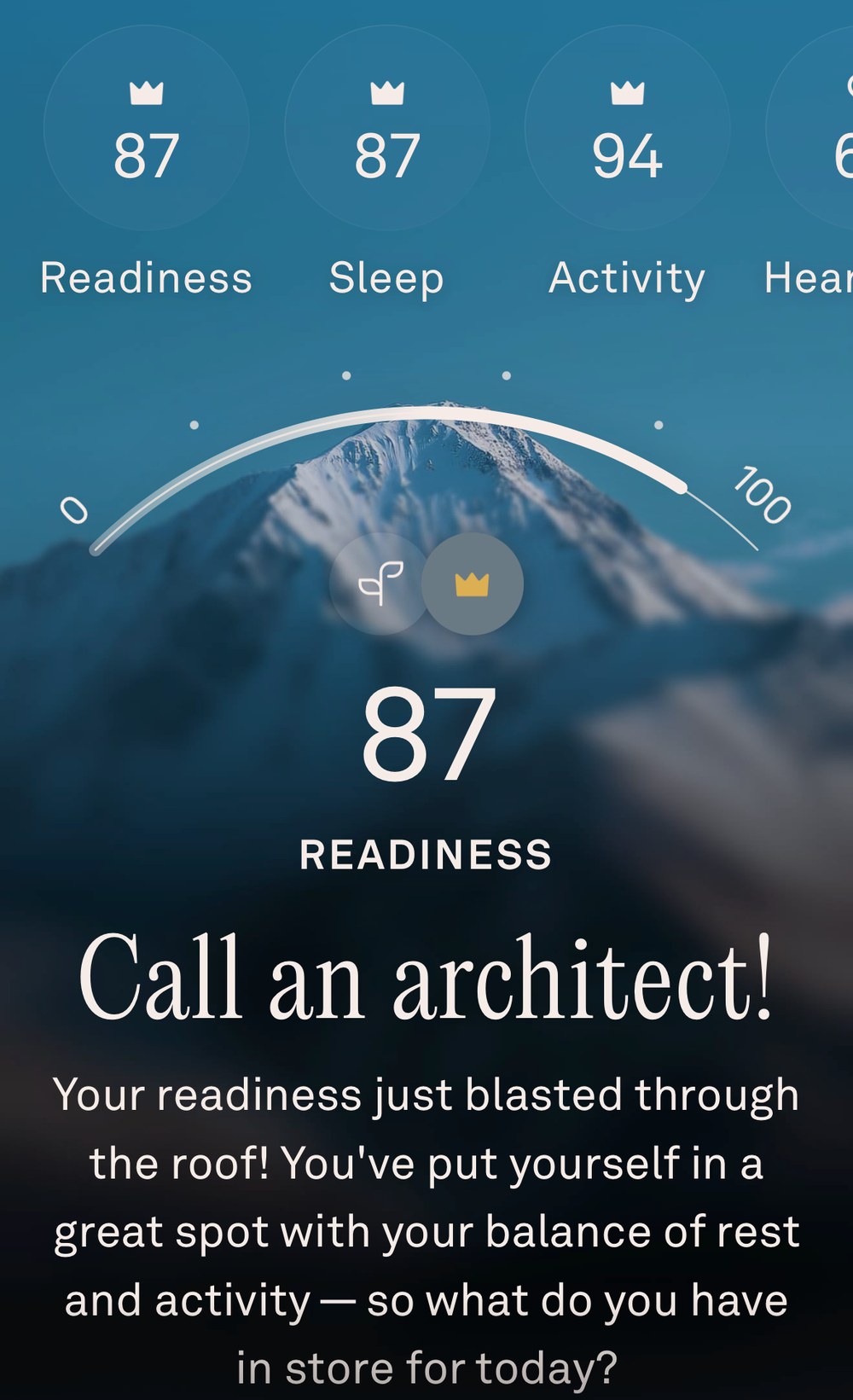
A good morning. One number like this matters less than the trend behind it.
Some days the data tells me nothing new. When I work all night, I don't need a ring to tell me I'm tired. Other days it shows me something I'd have missed. When I eat late or have a couple of drinks in the evening, I can see it in my sleep, and I feel it the next day.
That's made me a believer in two simple rules: no snacking at night, and my main meal finished by 7 p.m. I sleep better, and I'm better prepared for whatever the next day brings.
There's a trap here, and it has a name. Pamela Paul wrote about the tyranny of the Oura Ring in The Wall Street Journal: how easily a score can start running your life. Her ring warned her she was getting sick before she felt it, so she cancelled a weekend with friends. She did get sick. The ring was right, and it still raises the question of who's in charge.
My answer: the data informs, but I decide.
Data that doesn't lie
The other thing I like about data is that it doesn't lie, unless it was collected badly or someone has massaged it. Wearables are better at some measurements than others. When Stanford researchers tested seven wrist-worn devices, heart rate was mostly accurate, but every calorie estimate was off by at least 27% on average. So I trust my heart rate, but I don't depend on the calorie count to guide my diet.
Used well, heart rate is a powerful guide. In my marathon days, I learned I could run with my heart rate in the high 140s to low 150s for what felt like forever. I could push into the low 160s for short stretches, but I couldn't last if I held it there. Knowing that made me a better-trained runner: easy days stayed easy, and hard efforts had a purpose.
The Global Cycling Network ran an experiment that makes the same point. One of their presenters trained only in Zone 2, an easy, conversational effort, for several weeks. She felt as if she was barely training. Testing showed her endurance improved anyway.
Watts equals knots
On the rowing machine, I track three numbers: heart rate, stroke rate, and power in watts. Power is the honest one. It doesn't care how hard the session felt.
When I started, a session of a set length at a set heart rate produced about 120 watts. Today the same session at the same heart rate gives me a steady 135 to 140. I'd like to think that's better technique and more strength. My next goal is a consistent 160 to 170 watts for the same effort. That will be my new baseline.
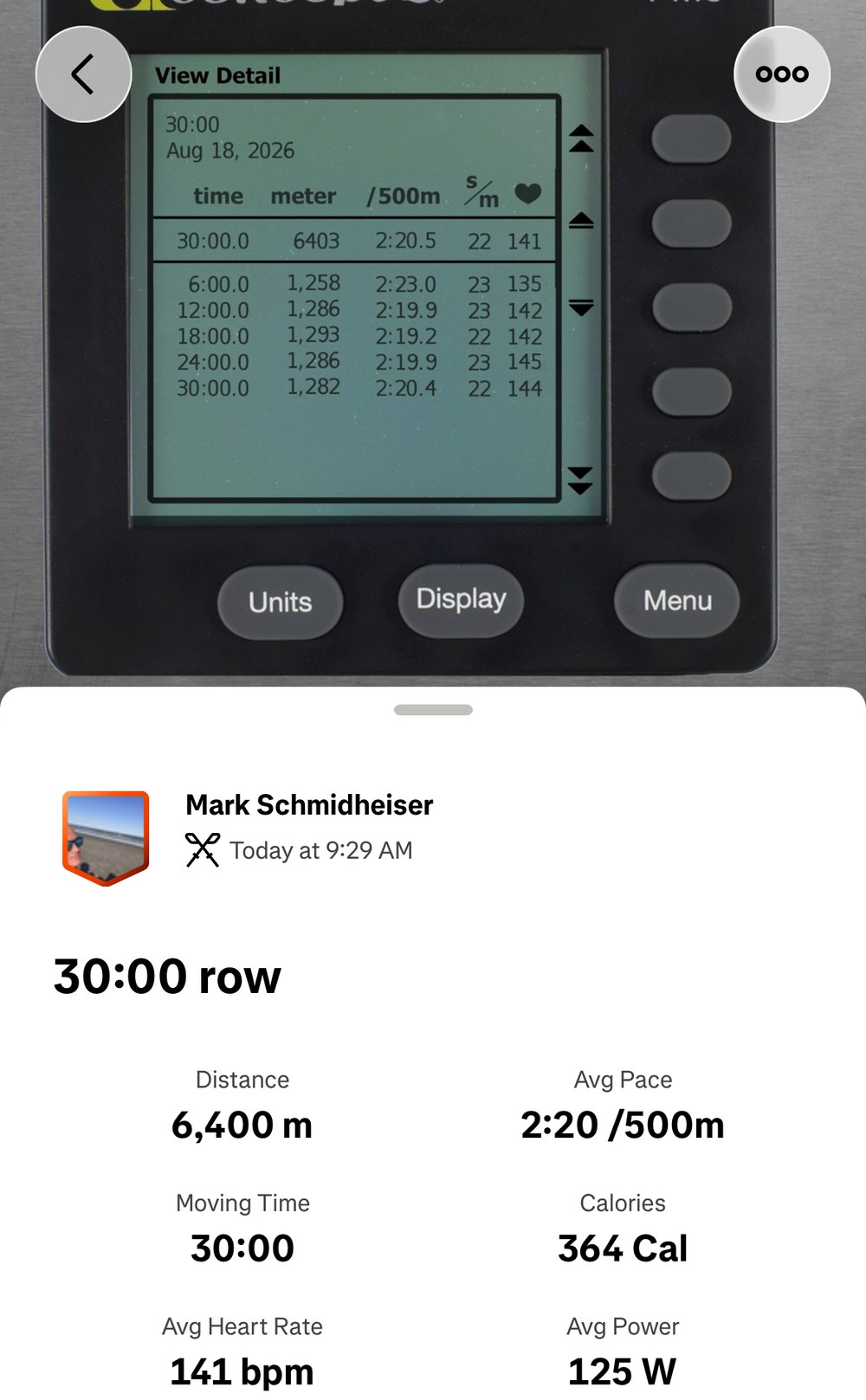
A 30-minute row from August, on the way up: 125 watts at an average heart rate of 141. Note the calorie count; I don't.
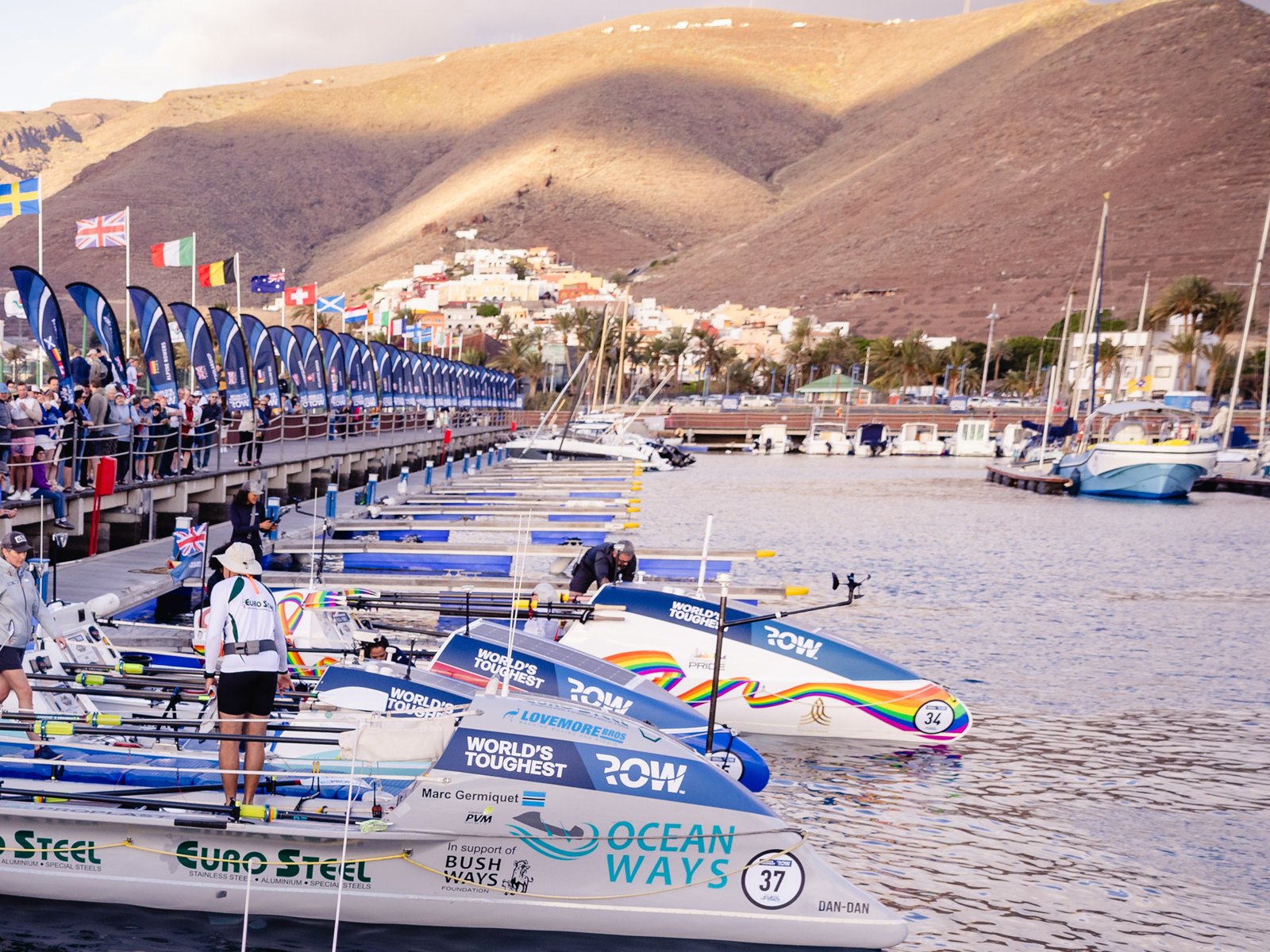
I first heard "watts equals knots" from Adam Rowlatt, who rowed the Atlantic with SecondOARy Fun. He may not have coined it, but it stuck with me. Out on the Atlantic, every watt I can hold for hours becomes boat speed, and boat speed is what gets me to Antigua.
Goals like that keep me moving. I'm a striver. Without a goal and a deadline, I drift, bobbing in the ocean without a rudder. A number on a screen gives me a heading.
Accountability: the logbook doesn't forget
I also like a record of when I trained and how hard. When I open my training calendar and see five empty days, I don't need a lecture. The gap is the lecture, and it gets me back on the bike, the rowing machine, or the weights.
Accountability to other people works even better. I log my workouts on Strava, where friends can see them. Knowing someone might notice a missed week makes me less likely to miss it, and their workouts push me too.
Next: better data on the bike
For now, I track rides by starting a workout on my Apple Watch. That gives me heart rate, time, and distance, but not power. I want the same detail on the bike that the rowing machine gives me, so I'm researching how to measure power and effort on my new gravel bike. I'll share what I learn.
The takeaway
Wearables don't tell me how I feel. They help me see patterns, keep me honest, and give me a target. Watch the trends rather than the daily score, and stay in charge of the decisions.
What do you wear, and has it changed a habit? Tell me on Instagram or send me a note.