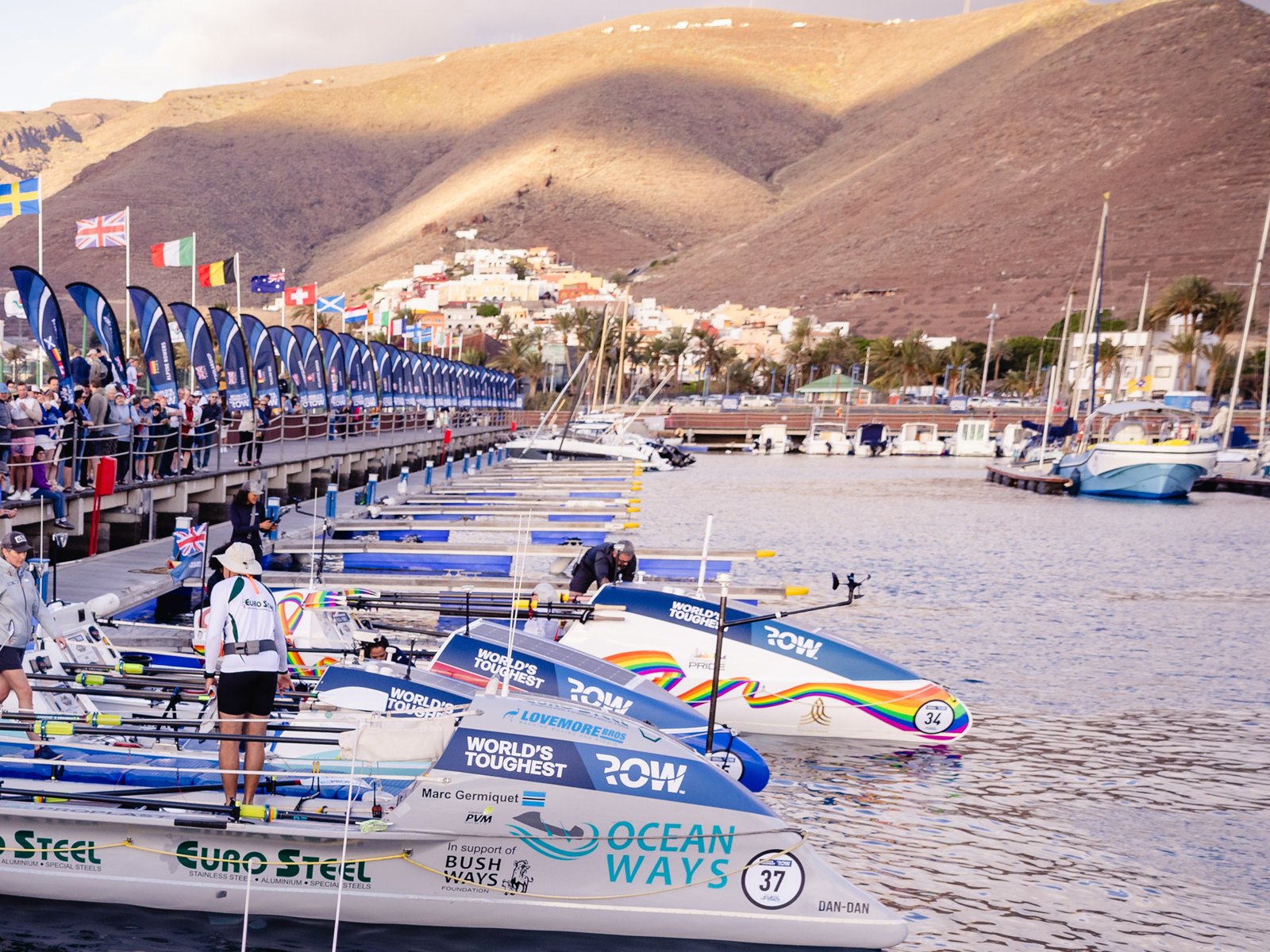
When people hear "solo," they picture one person against the ocean. That's true for the boat. It's not true for the campaign.
I'll be the only one rowing. But the World's Toughest Row is far too big for one person to pull off, and I'm rowing alone, not crossing alone. Behind every solo boat is a team on shore: people who watch the weather, help guide me to fix what breaks, and keep everyone at home in the loop.
Some of that support comes built in. The race's Safety Officers keep watch on every boat, and medical questions go through the race doctor. Boat builders like Rannoch Adventure, who are building my boat, help crews troubleshoot problems at sea.
The rest of the team is mine to build. Here's who's on board so far.
My navigator: my older brother
My older brother served six years on active duty as a Navy officer on nuclear-powered submarines, then three more in the reserves. If anyone in my family knows how to find his way through water he can't see, it's him.
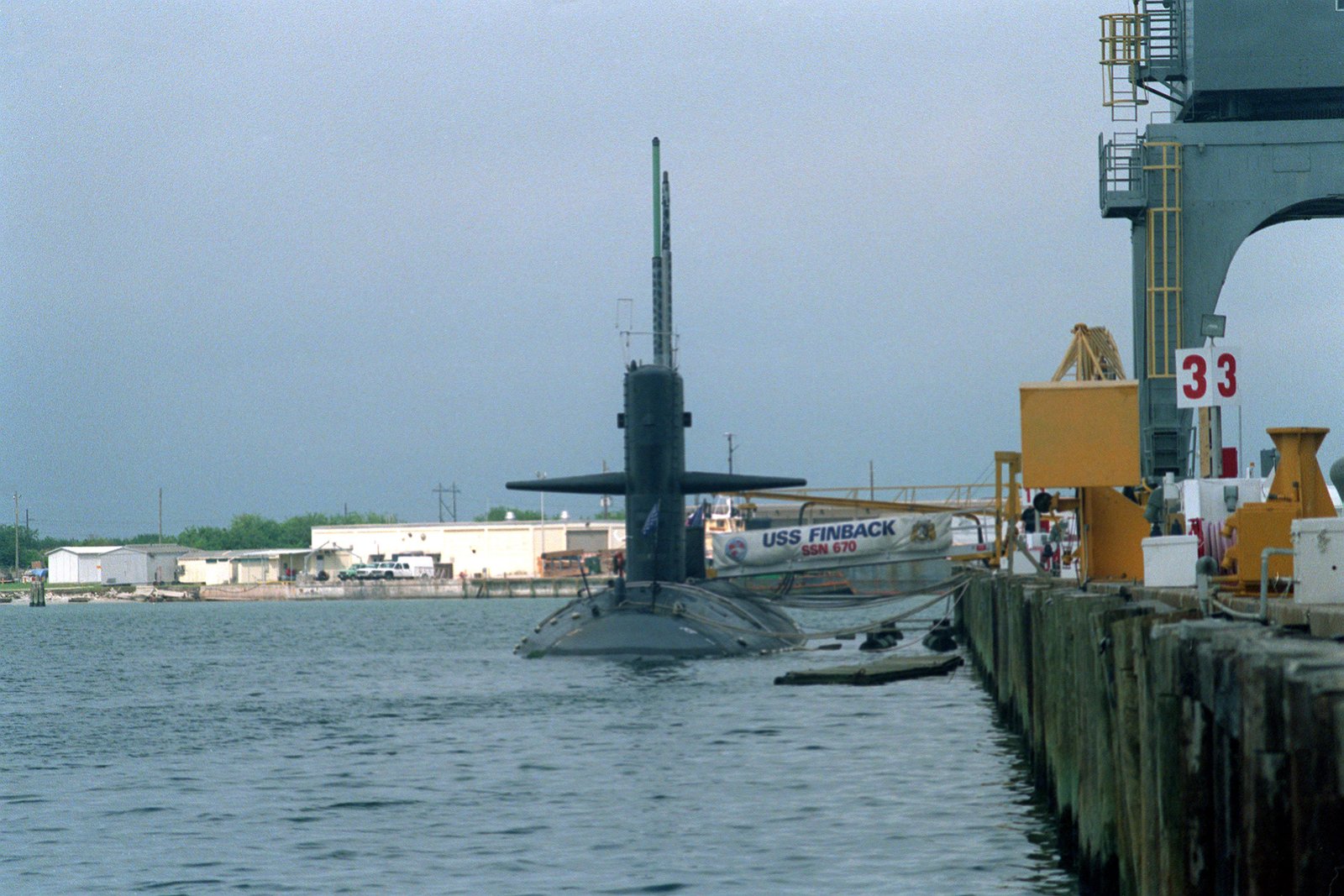
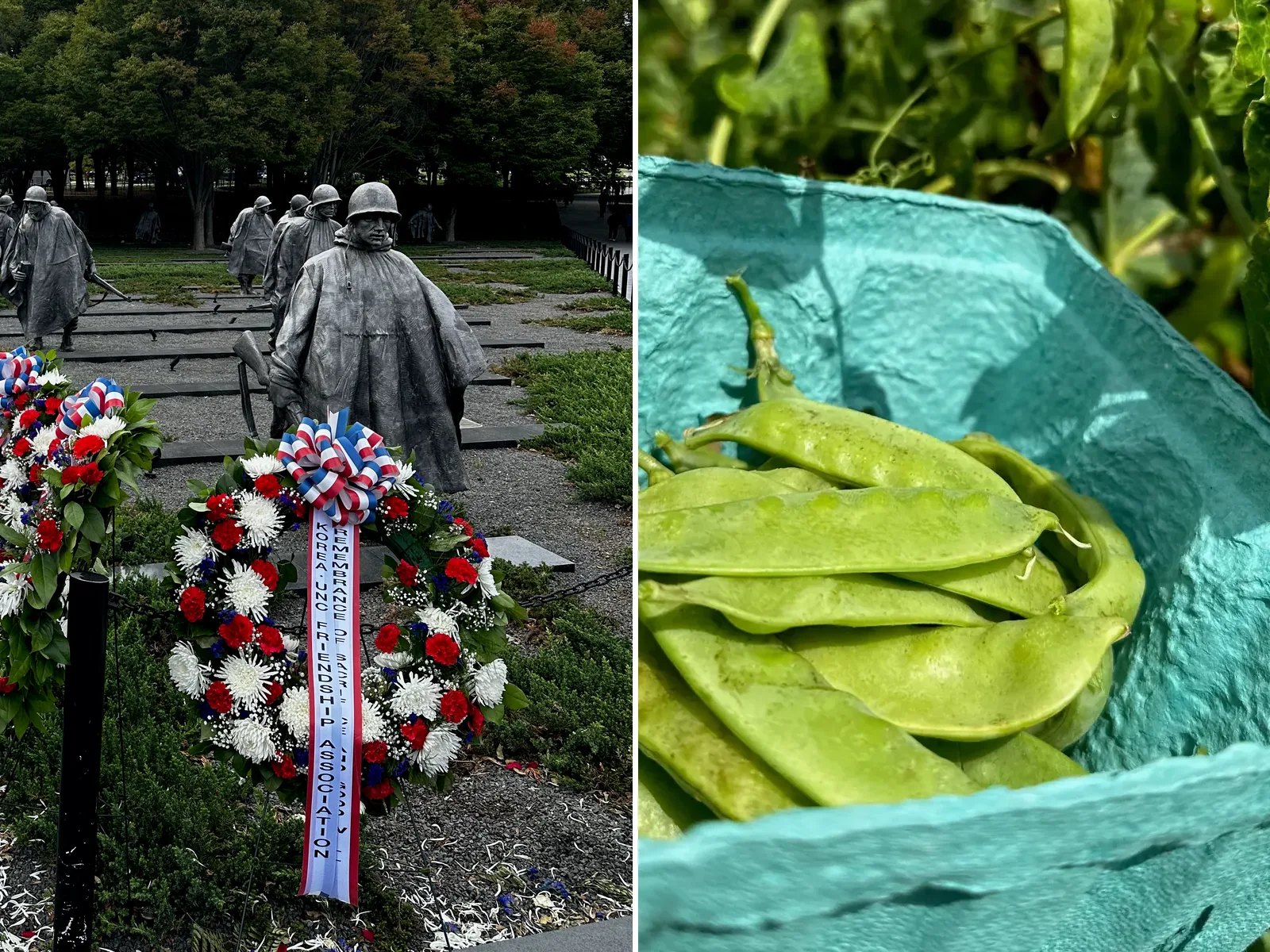
USS Finback (SSN-670) at Port Canaveral, Florida, 1994. U.S. Navy photo.
He'll be my routing advisor, and my "weather guesser."
There's really only one direction to go: west, toward Antigua. But the ocean doesn't care about my plans. As I wrote in What is ocean rowing?, you race the conditions you're given. Weather systems can push a boat backward, or sideways, for days. Favorable winds can carry it a long way. The difference between a good crossing and a hard one often comes down to which way you point the boat before the weather arrives.
So while I row, he'll be watching the charts, the kind the NOAA Ocean Prediction Center publishes several times a day, and helping me fine-tune the route: when to push south, when to hold on, and when to dodge something nasty.
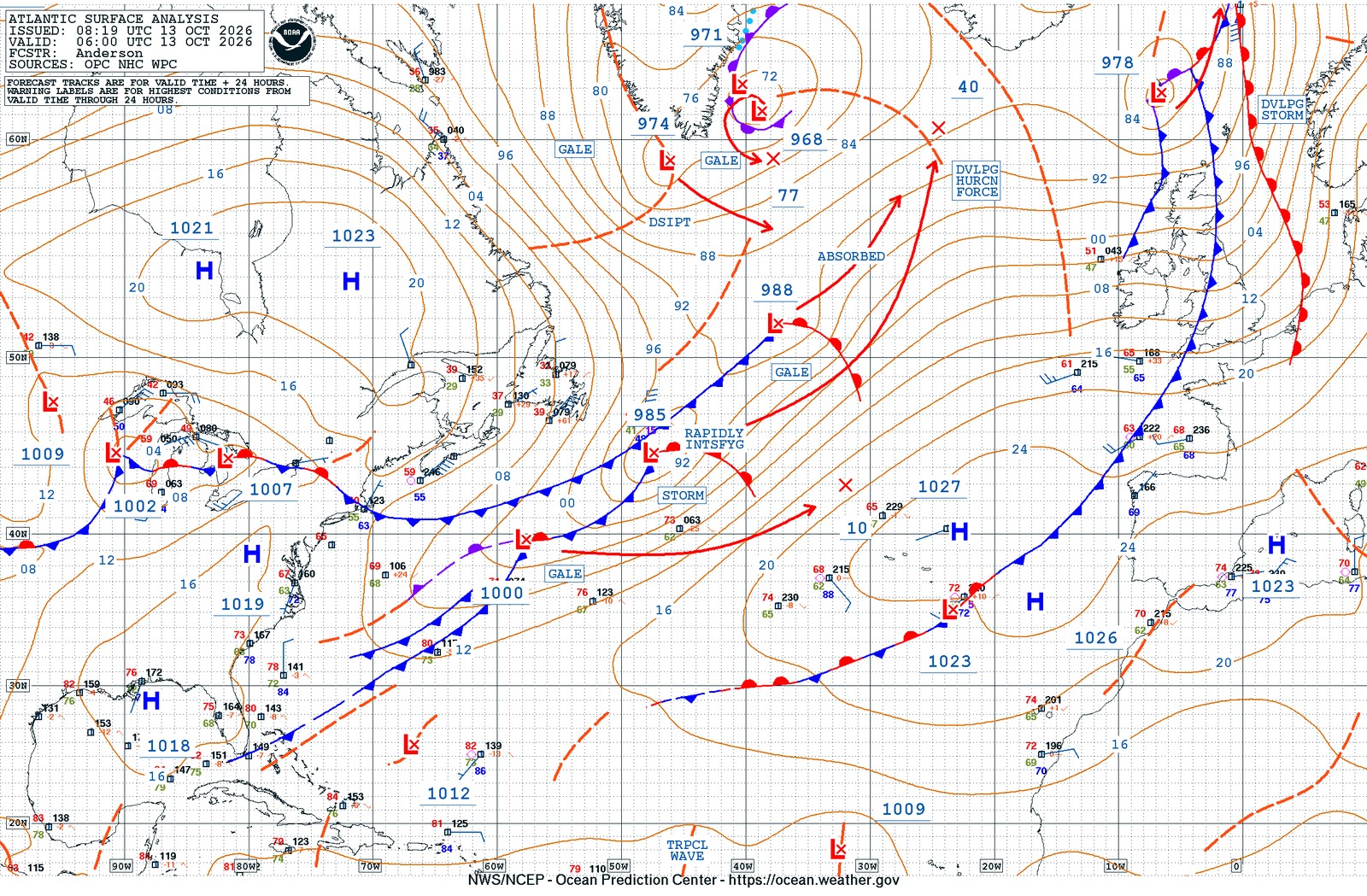
The North Atlantic on October 13, 2026: storms, gales, and fronts, the kind of chart my brother will be reading. Chart: NOAA Ocean Prediction Center.
My mechanic: my younger brother
My younger brother is trained as an auto mechanic. He doesn't work in the field anymore, but he still does every job on his own vehicles, big and small. If it has moving parts or wires, he understands it.
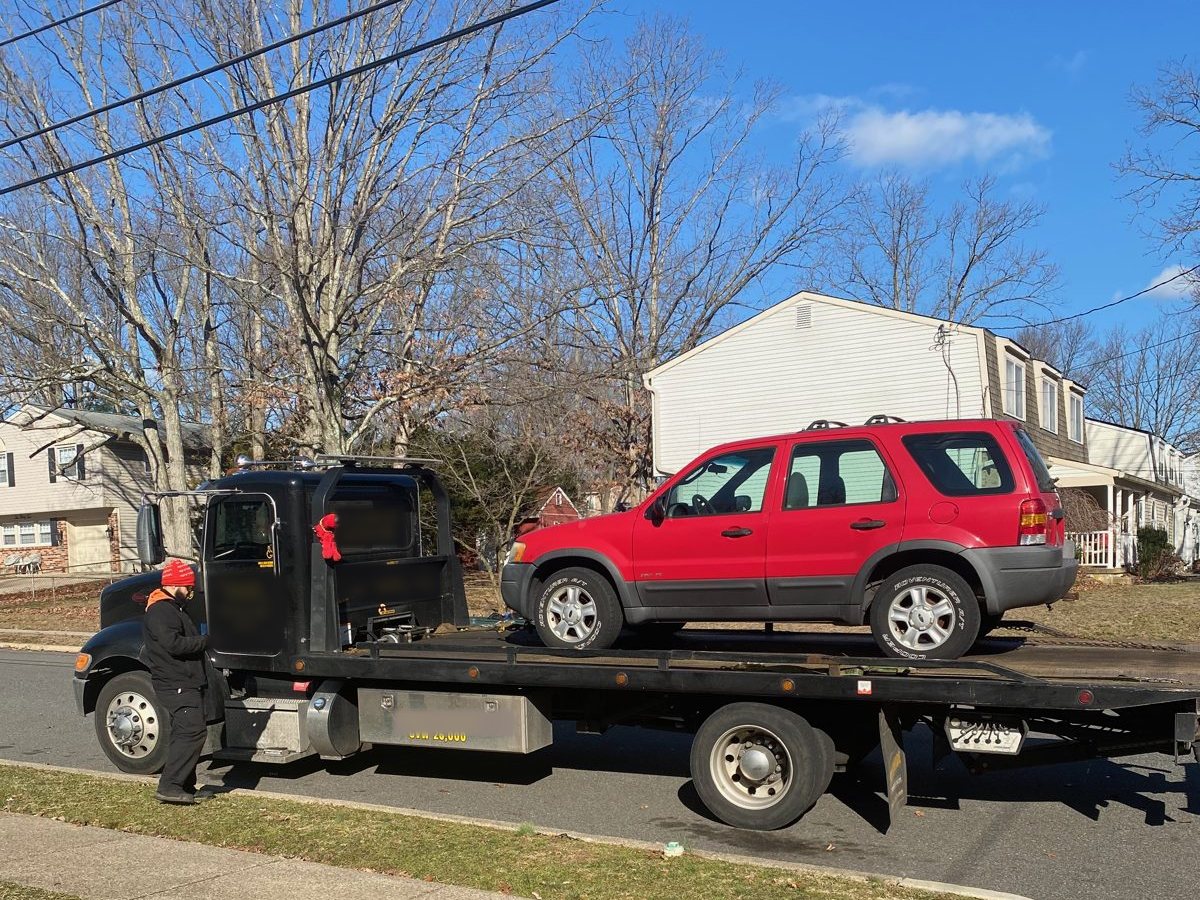
Another one of my younger brother's projects. He took the photo.
That makes him my mechanical and electrical expert. My boat runs on systems: solar panels, batteries, a watermaker, an autopilot, navigation electronics, and pumps. Over the next couple of years, he'll learn all of them. He'll get every schematic of my boat, and when something stops working in the middle of the Atlantic, he'll be the voice on the phone helping me figure out why.
Ideally, I'll never need to make that call. But I'd rather have him ready and not need him.
They said yes before they knew the question
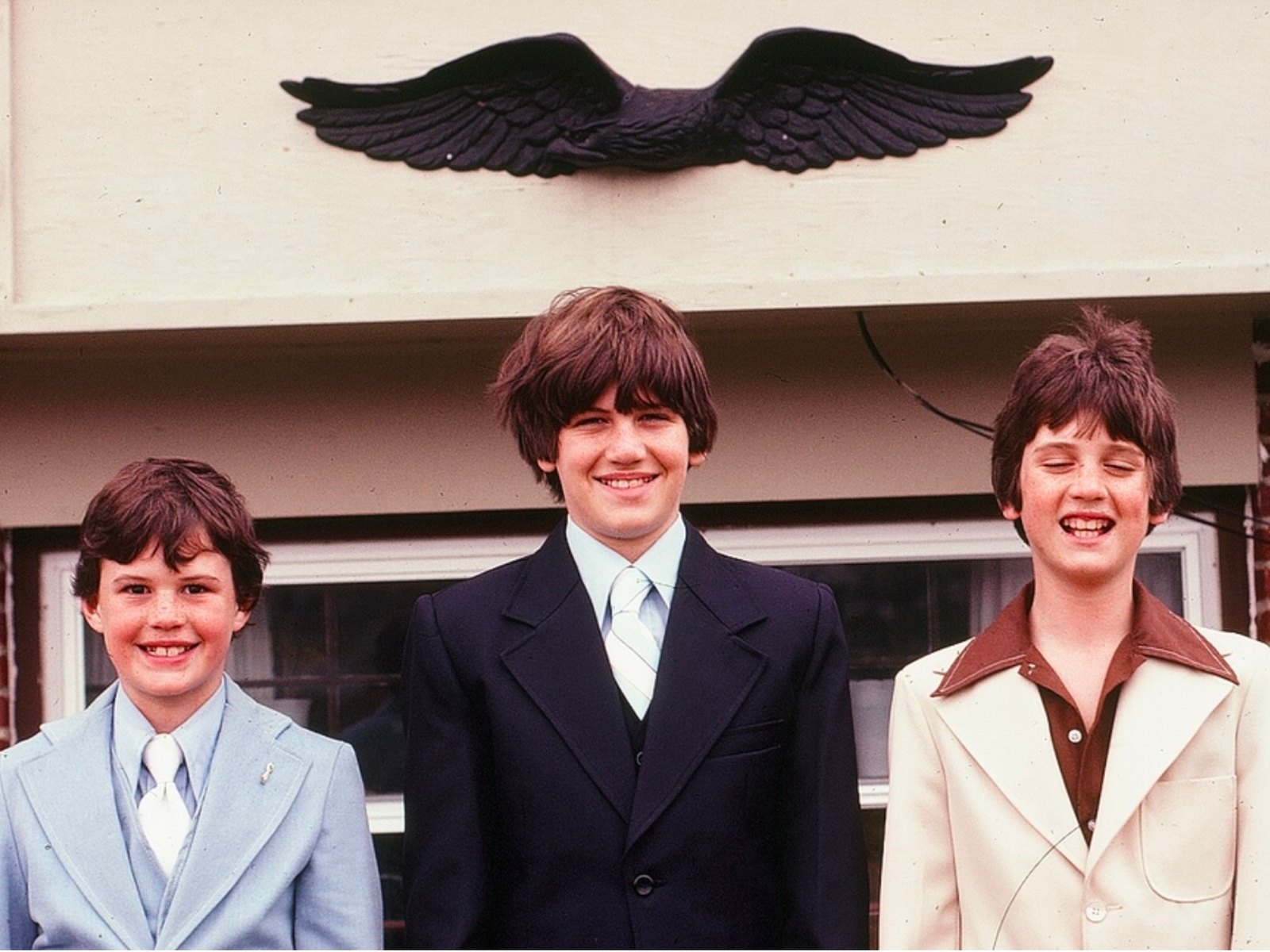
Both of my brothers agreed to this early, knowing very little about what they were signing up for. I'll ask a lot of them over the next two years.
That's fine. They're my brothers. I know I can count on them, whatever I ask.
My coach, informally: my daughter
You may remember my daughter's first reaction when I told my family about the Row. "The dumbest thing I have ever heard" was the exact phrase.
She's come around.
She's also an exercise physiologist with experience as a personal trainer. I'm sticking with my homegrown training plan for now. But when I hit plateaus, and when I get past what I know, she's the first person I'll ask. She's busy with her own life, so I'll take her input when she can give it, and be glad to have it.
Open seats
A few roles are still to fill, and I'm keeping my options open on how.
- Media and social media. Before the race, there's a story to tell. During the race, someone ashore needs to share updates from the boat, and everything sent from sea goes through the race's approval process first. I have some ideas, but nothing settled yet.
- Shore manager. One person to coordinate the rest of the team, and keep family and followers informed, while I'm out of reach. My wife may inherit this role by default.
- Nutrition. Planning months of food for a solo crossing is a science of its own.
The takeaway
There will be one person in the boat, but it takes a team to get that boat across. Mine starts with family, and it's growing.
Who's on your shore team, the people you count on when things get hard? Tell me on Instagram or send me a note.