The summer before sixth grade, we moved a few towns over and into another world.
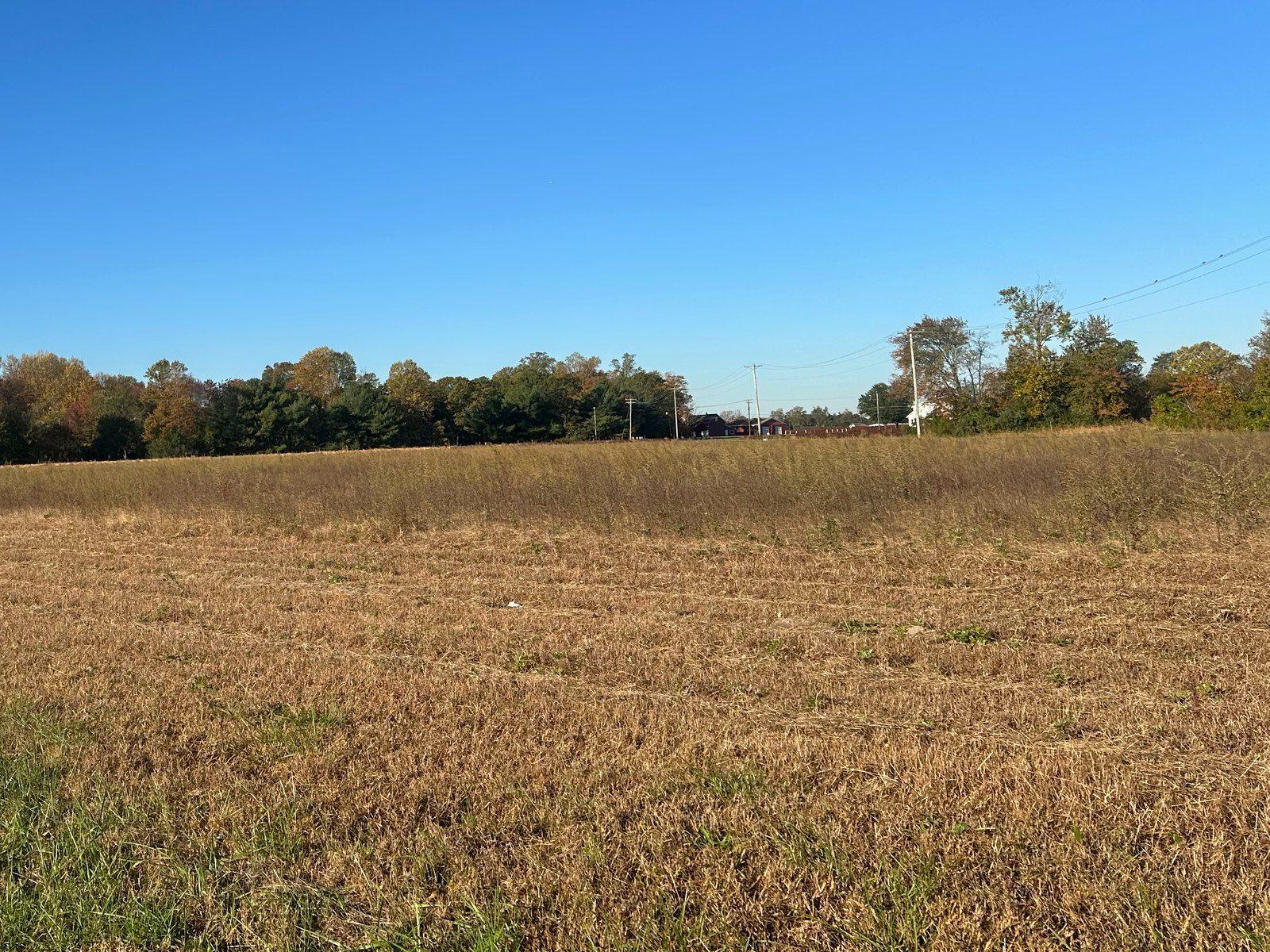
Glassboro, where we'd lived until then, was working-class suburbia: sidewalks, neighbors close by, and kids out until the streetlights came on, and sometimes after. Mullica Hill wasn't far away, but it was farm country. One stoplight. No streetlights. Ours was the first house built in that part of town, with cornfields behind it, soybean fields in front of it, and farms and orchards in every direction.
It didn't take long to learn that farm country runs on work.
Cornfields out the back door
Growing up there meant getting around on your own power, first on a bicycle and later on a dirt bike, out to friends' houses, into the woods and through the cornfields. It also meant learning what farm country smells like. I can still remember the mornings after the farmers spread fresh manure on the fields behind our house. "Natural fertilizer" is the polite term. We had others.
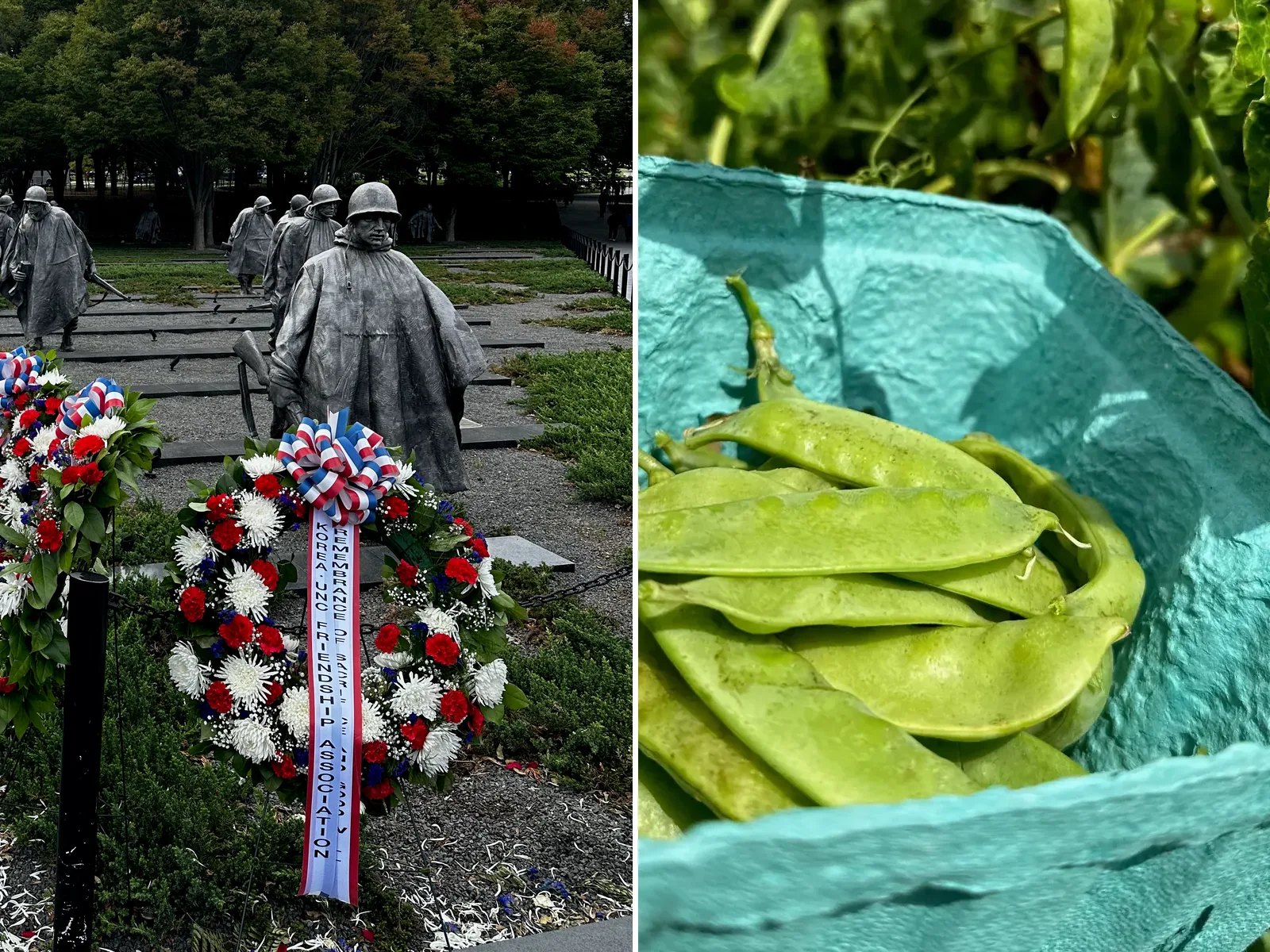
That smell has a way of finding me. Years later, living in central Pennsylvania, the freshly spread fields brought those mornings right back. And on one Honor Flight trip, a Korean War veteran told me about the "honey carts" the farmers used near where he served. Same farming practice, same smell, half a world away. We realized that his memories from Korea in the 1950s and mine from a South Jersey cornfield in the early '80s had more in common than either of us expected.
The first jobs
The dirt bikes didn't pay for themselves. Mine were secondhand, while a lot of my friends rode the newest ones off the showroom floor. My used bikes always seemed to need something. Gas, parts, repairs. If I wanted to ride, I had to work.
My first summer job was on a local farm with a farm stand: hot summers in the fields, picking tomatoes and peppers, then packing them for the wholesale market.
The next was a peach orchard. I rarely had to pick the peaches, but I spent a lot of afternoons in the packing house, filling boxes for the produce wholesaler. The rule was simple: the best peaches go on top, turned so the ripe color shows. It was monotonous work, and I didn't love it. But every box was gas in the tank and a part for the dirt bikes.
Even so, I often couldn't earn enough to keep up. The bikes would sit broken until I'd saved enough to fix them. Every so often my dad would lend me the money. I was proud and wanted to show I was self-sufficient and could pay my own way, so I insisted we keep track of what I owed him.
I'm not sure I ever paid him back. It's still a running joke. On the rare occasion I manage to pick up the check at breakfast (he usually insists on paying), I tell him to credit it to "the motorcycle loan." I suspect he still has that handwritten ledger somewhere. I doubt he's updated it since.
Responsibility at the paint store
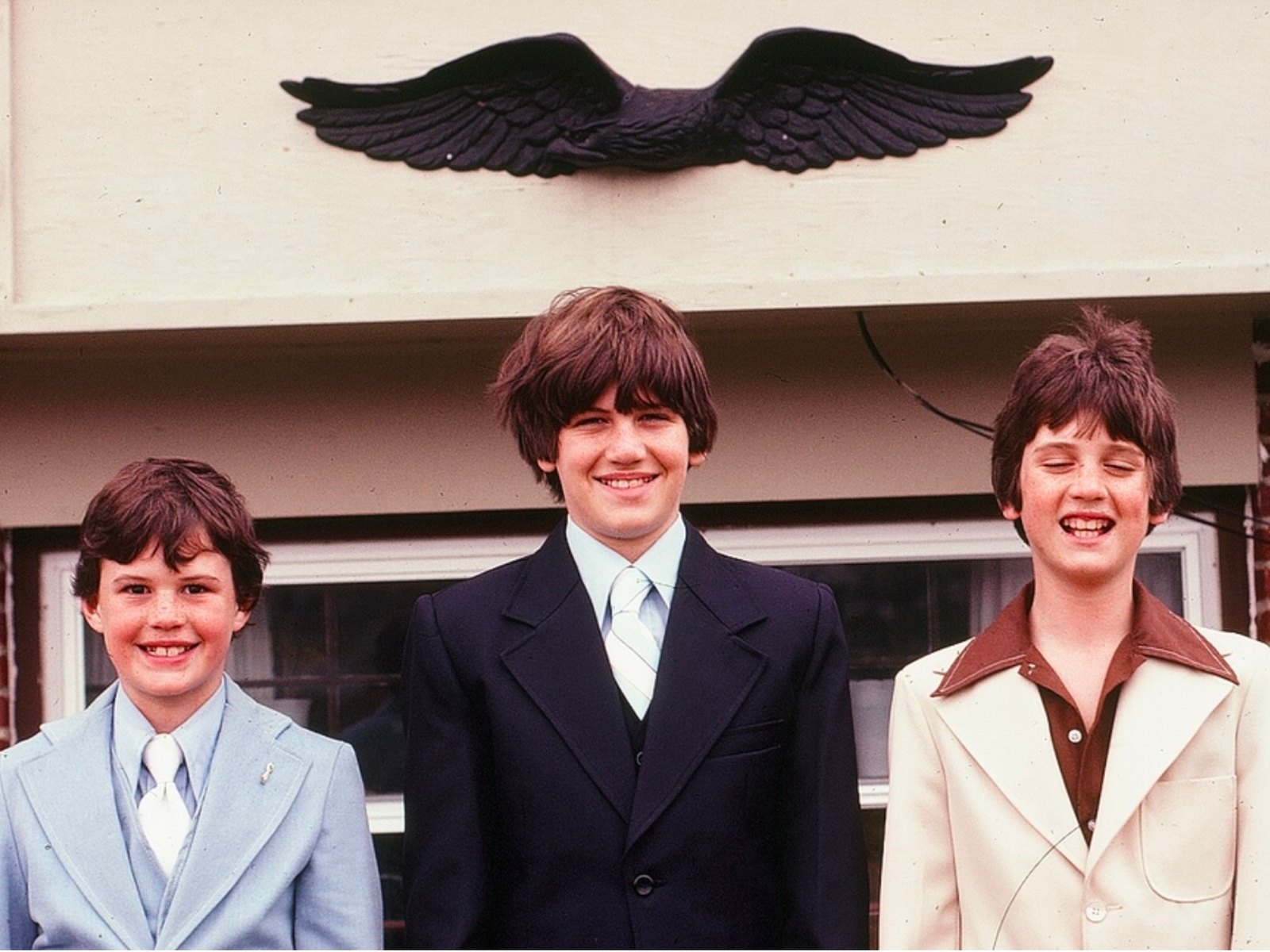
After a few summers on the farms, I followed my older brother to a paint store owned by a family friend from Glassboro. I didn't have my license yet, so I rode in with him. Later, our younger brother followed us both. (Today they're both on my shore team: my older brother as weather navigator, my younger brother as systems and mechanical advisor. Some partnerships go back a long way.)
Looking back, it's amazing how much responsibility a teenager was given back then. I ordered stock from suppliers, worked with contractors who each had their own volume pricing, helped everyday customers figure out what they needed for their home projects, and closed out the register at the end of the day. This was before computers and spreadsheets were everywhere. We did it with a ledger and a calculator.
That job bought my first car: a used red 1970 Mustang. I'll let readers of a certain age imagine how a teenage boy felt about that car.
What I learned, and who I learned it from
Those jobs taught me something simple: the things I wanted took work, and the work was mine to do. Nobody handed me a dirt bike or a Mustang. (The loan from Dad doesn't count. It's on the books.)
I learned it at home, too. My parents both worked to give us a solid upbringing, with vacations every summer. I didn't fully appreciate how much effort that took until I was paying for my own gas, and later raising a family of my own.
That work ethic has followed me ever since. The Navy felt a lot like the paint store, just with higher stakes: plenty of responsibility, and the expectation that you'd handle it. Working hard got me where I am today.
Perhaps working too hard got me where I am today, too. That's the other side of it, and it's a big part of why I changed course. Somewhere along the way, the work ethic I learned on those farms and in those early jobs started setting my heading for me. Waypoint Zero is where I decided to take the helm back.
The farms then and now
When I drive through that part of South Jersey today, a lot of those farms and orchards are gone, replaced by developments and housing. It makes me nostalgic for a time when our area lived on what it grew. Today the grocery store carries produce from the other side of the world, and the farmers who are left work hard just to compete.
It's one of the reasons fresh, local food is one of the two causes I'm rowing for.
The takeaway
Every stroke across the Atlantic will be earned the way that Mustang was: one box of peaches, one closed-out register, one shift at a time. I learned that in farm country, and I'm still learning it.
Where did you get your first job, and what did it teach you? Tell me on Instagram or through the contact page.