For months, I've been training for the World's Toughest Row on a bicycle that doesn't fit me. This is the story of fixing that, and of everything I didn't know about buying a proper bike.
Why a bike, for a Row?
My goal on the bike is simple: endurance and leg strength. That matters more than you might think, because rowing is a leg sport. Concept2, the company that makes the rowing machines most rowers train on, estimates the stroke is about 60% legs, 20% core, and 20% arms.
Cycling builds those legs without beating up my joints. Harvard Health describes it as an aerobic workout that builds muscle while going easy on the joints. With two knee replacements and a recently repaired hip, that's exactly what I need.
Outgrowing the old bike
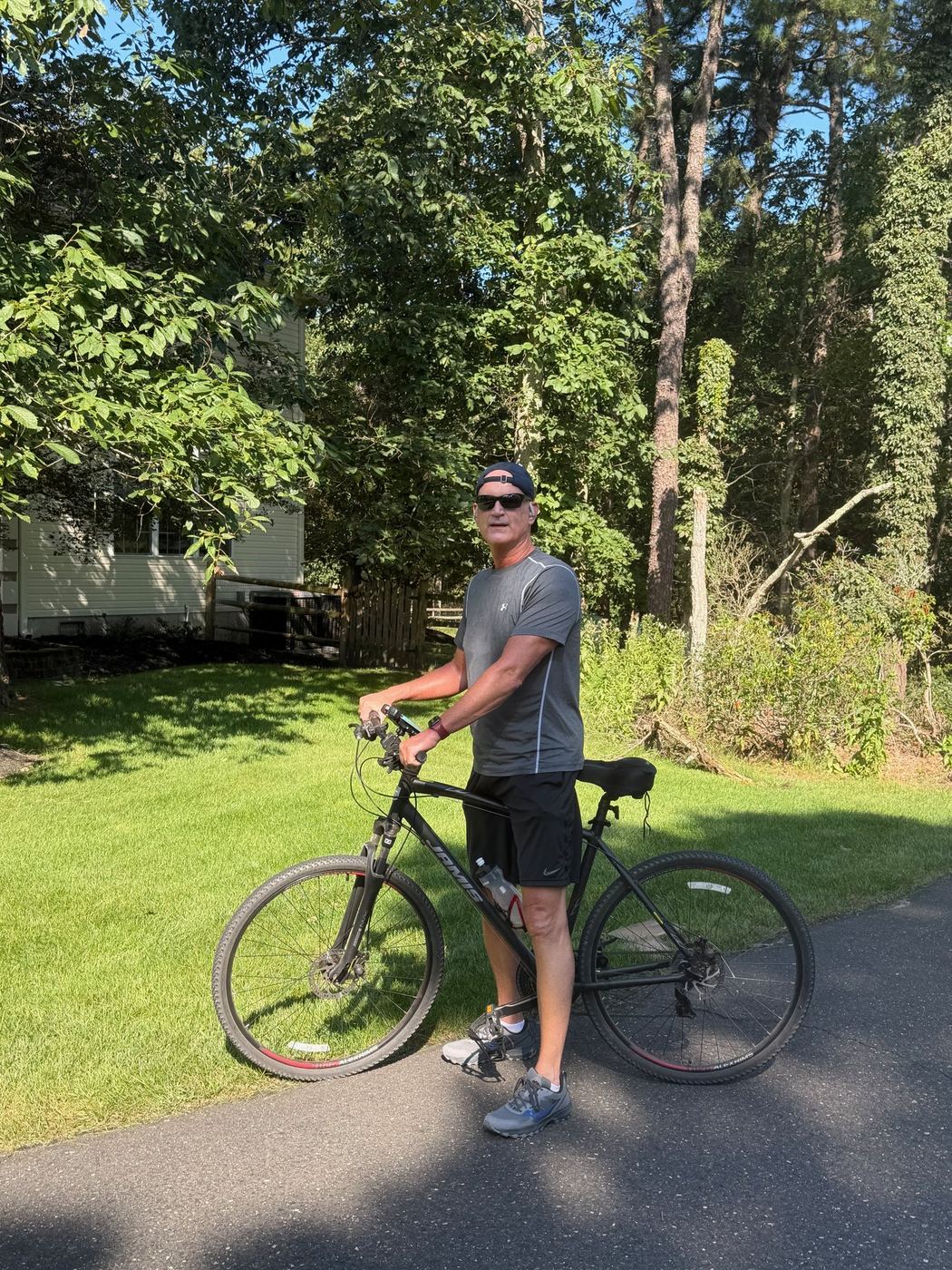
I started on a basic mountain bike from a local shop. It was fine when my rides were 30 to 60 minutes and around 10 miles.
Then the miles went up. Once I got past 20 miles, my neck, wrists, and back started to hurt. My hands went tingly. I kept sliding back off the seat to find relief, and my legs felt out of place when I pushed hard. The whole bike felt cramped, because it was. It's a size or two too small for my frame.
That's a textbook fit problem. REI's bike-fitting guide makes the point that frame size comes first: start with the wrong one, and no amount of adjusting will make the bike comfortable.
These days an average ride is 25 miles or more, and my longest is 50 miles in just under three and a half hours. It was time to upgrade.
Why a gravel bike
After some reading, I settled on a gravel bike. I don't plan on any serious off-roading. I just need something that can handle New Jersey roads.
Two things sold me:
- Geometry. Gravel bikes put you in a more upright position than a road bike, with a longer wheelbase for stability. That's kinder on a back and neck like mine.
- Tires. They take much wider tires than a road bike, which soak up rough pavement. REI's guide to choosing a gravel bike is a good primer.
The decisions nobody warns you about
Choosing the type of bike was the easy part.
- Brand. Local shops each stock certain brands, and each shop told me why theirs was best. I leaned toward names I knew: Giant, Cannondale, and Trek. Along the way I met a few new ones, including Cervélo and Orbea. I once owned a Specialized Stumpjumper, but Specialized never rose to the top of my gravel list.
- Price. I had serious sticker shock. A proper bike costs far more than I expected.
- Frame material. Aluminum or carbon fiber? Carbon does a better job of damping road vibration, which someone my age would appreciate. It also cost about one and a half times as much on the bikes I looked at.
- Gearing. One chainring up front or two, known as 1x or 2x. One is simpler. Two gives you smaller steps between gears.
- Components. Shimano or SRAM. More homework.
It was a lot to take in.
What decided it
After visiting six shops and test-riding a few bikes, the deciding factor was the least glamorous one: what was in stock. I found a Trek Checkpoint ALR 5 that fit me well and felt good to ride. Sold.
I went back and forth on paying the premium for carbon, and settled on aluminum. My reasoning: find out what I actually like and need in a proper bike before investing in a high-end frame. The Checkpoint ALR turned out to be a middle ground anyway. Its frame is aluminum, but the fork is carbon, which takes some of the buzz out of rough roads.
The takeaway
Fit beats features. A bike that fits is one you'll ride longer, and longer rides are the whole point.
I'll report back on how the new bike holds up. If you ride, I'd like to know what you wish someone had told you before you bought your first real bike. Find me on Instagram or send me a note.